
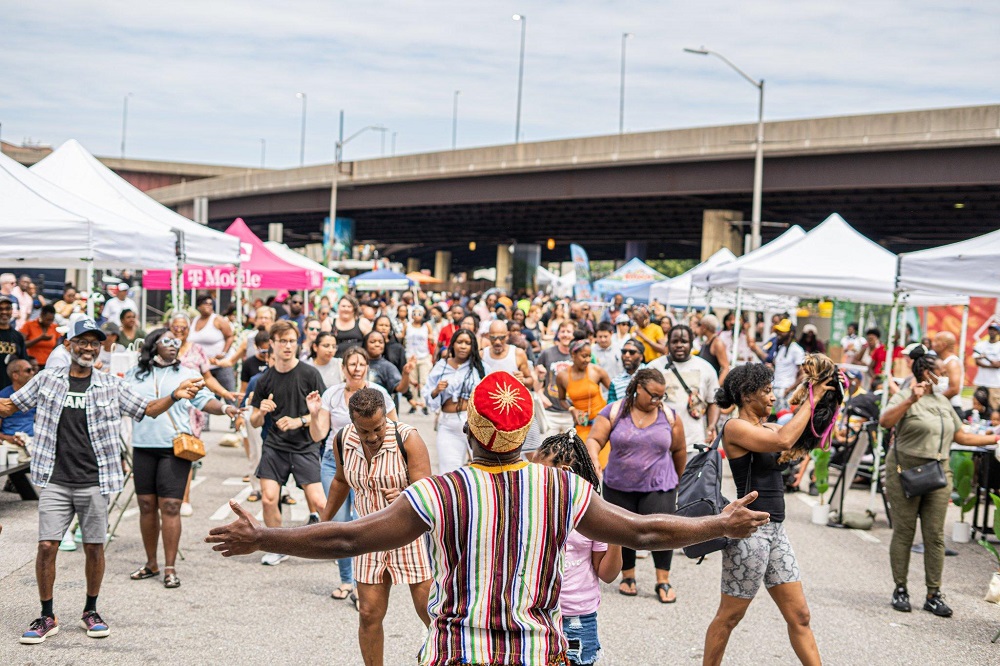
Events play an essential role in shaping social interaction, cultural expression, professional development, and community engagement. From personal celebrations to large public gatherings, events provide opportunities for people to connect, communicate ideas, and create meaningful shared experiences.
An event is more than a scheduled activity. It represents a moment of purpose, coordination, and participation that brings individuals together around a common objective. Whether formal or informal, small or large, events help structure human interaction across every stage of life.
Understanding how events function and why they matter helps individuals and organizations plan experiences that are both memorable and effective.
What Are Events
Events are organized gatherings designed for a specific purpose. They may involve celebration, education, networking, entertainment, or communication.
Events typically include:
- A defined objective
- A planned schedule
- A selected location
- Participants or attendees
- Coordinators or organizers
Events can be simple or complex depending on their scale and goals. A family dinner celebration and an international conference are both events, even though their structure differs significantly.
Events create opportunities for shared experiences that strengthen relationships and communities.
Why Events Matter in Everyday Life
Events provide structure to important moments. They allow individuals and organizations to highlight milestones, exchange ideas, and encourage collaboration.
Key reasons events are important include:
Strengthening relationships
Events create opportunities for meaningful interaction between individuals and groups.
Supporting communication
Gatherings help share information clearly and effectively.
Encouraging celebration
Events recognize achievements and transitions.
Promoting learning
Educational events expand knowledge and skills.
Building community identity
Shared experiences create belonging and continuity.
Events help transform ordinary time into purposeful experiences.
Major Types of Events
Events appear in many forms depending on their objectives and audiences. Each type serves a unique function within society.
Personal Events
Personal events celebrate milestones in individual or family life.
Examples include:
- Weddings
- Birthdays
- Anniversaries
- Graduation celebrations
- Family reunions
These gatherings strengthen emotional connections and create lasting memories.
Corporate Events
Corporate events support professional communication and organizational development.
Common corporate events include:
- Conferences
- Workshops
- Product launches
- Networking sessions
- Training programs
These events improve teamwork, knowledge sharing, and business relationships.
Cultural Events
Cultural events preserve traditions and celebrate heritage.
Examples include:
- Festivals
- Religious gatherings
- Heritage celebrations
- Seasonal ceremonies
Cultural events help communities maintain identity across generations.
Educational Events
Educational events focus on knowledge exchange and skill development.
These events may include:
- Seminars
- Academic conferences
- Public lectures
- Training sessions
They support professional growth and intellectual engagement.
Public Events
Public events are designed for large audiences and community participation.
Examples include:
- Concerts
- Exhibitions
- Sports competitions
- Community celebrations
Public gatherings promote social interaction and shared experiences.
The Purpose Behind Organizing Events
Every event begins with a clear purpose. Identifying that purpose helps guide decisions about location, format, timing, and participation.
Common event objectives include:
- Celebrating achievements
- Sharing information
- Building relationships
- Promoting products or services
- Supporting education
- Encouraging community involvement
When organizers understand their goals clearly, events become more effective and meaningful.
Purpose shapes the entire event experience.
The Key Elements of a Successful Event
Planning a successful event requires attention to several important components. Each element contributes to the overall experience of participants.
Clear Planning Structure
A well organized plan includes:
- Defined objectives
- Timeline preparation
- Budget management
- Role assignment
Planning reduces uncertainty and improves coordination.
Suitable Venue Selection
The location influences comfort, accessibility, and atmosphere.
Important venue considerations include:
- Capacity
- Transportation access
- Facilities available
- Environmental conditions
Choosing the right venue improves attendee satisfaction.
Effective Communication
Participants need clear information before and during the event.
Communication may include:
- Invitations
- Schedules
- Announcements
- Instructions
Clear communication supports smooth event operation.
Audience Engagement
Successful events encourage participation rather than passive observation.
Engagement strategies include:
- Interactive sessions
- Question opportunities
- Group activities
- Networking spaces
Active participation increases event value.
The Role of Event Planning Professionals
Event planning requires coordination, creativity, and logistical expertise. Professional planners help ensure that events meet expectations while remaining organized and efficient.
Responsibilities of event planners include:
- Budget coordination
- Vendor management
- Scheduling
- Venue preparation
- Guest coordination
- Risk management
Professional planning improves both quality and reliability.
Many organizations depend on event specialists to manage large scale gatherings successfully.
Technology in Modern Event Management
Technology has transformed how events are planned and experienced. Digital tools allow organizers to reach wider audiences and manage complex logistics more efficiently.
Common technological tools used in events include:
- Online registration systems
- Virtual meeting platforms
- Event management software
- Live streaming services
- Mobile event applications
Hybrid events now combine in person and online participation, making gatherings more accessible to global audiences.
Technology continues to expand the possibilities of event organization.
Social Benefits of Attending Events
Events provide opportunities for individuals to interact beyond daily routines. These interactions strengthen personal and professional relationships.
Social advantages include:
- Meeting new people
- Strengthening friendships
- Sharing experiences
- Learning from others
- Participating in group activities
Events create environments where communication develops naturally.
Social interaction remains one of the strongest motivations for event participation.
Economic Impact of Events
Events contribute significantly to local and national economies. They support businesses, employment opportunities, and tourism activity.
Economic contributions include:
- Venue services
- Hospitality industry growth
- Transportation demand
- Local business promotion
- Temporary employment opportunities
Large events often attract visitors from different regions, increasing economic activity in host communities.
Event industries continue to expand worldwide because of their financial importance.
Challenges in Organizing Events
Although events offer many benefits, organizing them requires careful attention to potential challenges.
Common difficulties include:
- Budget limitations
- Scheduling conflicts
- Venue availability
- Weather uncertainty for outdoor events
- Participant coordination
Effective planning helps reduce these risks and ensures smooth execution.
Preparation improves flexibility when unexpected situations occur.
How Events Strengthen Communities
Events help communities develop shared identity and cooperation. They encourage people to participate in local activities and support common goals.
Community strengthening occurs through:
- Cultural preservation
- Volunteer involvement
- Public participation
- Shared celebration
- Local collaboration
Regular events create traditions that bring people together over time.
Communities grow stronger when members participate in collective experiences.
Tips for Attending Events Successfully
Participants can improve their event experience through simple preparation steps.
Helpful suggestions include:
- Arriving on time
- Reviewing event schedules
- Preparing questions or discussion topics
- Networking respectfully
- Participating actively in sessions
Preparation helps attendees benefit fully from the event experience.
Active participation increases both learning and enjoyment.
The Future of Events in a Changing World
Events continue evolving as technology, communication methods, and social expectations change.
Future trends may include:
- Increased hybrid participation formats
- Greater sustainability planning
- Personalized attendee experiences
- Expanded global collaboration opportunities
Events will remain important platforms for connection, communication, and celebration in both physical and digital environments.
Their ability to adapt ensures their continued relevance across generations.
Frequently Asked Questions About Events
What is the difference between an event and a meeting
An event typically has a broader purpose and structured experience, while a meeting usually focuses on discussion or decision making within a smaller group.
How far in advance should large events be planned
Large events often require several months of preparation to coordinate logistics, venues, and participant communication effectively.
Why is audience engagement important during events
Engagement increases attention, participation, and learning outcomes, making the event more valuable for attendees.
What factors influence event attendance rates
Location accessibility, topic relevance, timing, promotion quality, and registration convenience all affect attendance levels.
How can small communities organize successful events with limited resources
Communities can collaborate with volunteers, local businesses, and shared venues to create meaningful events without large budgets.
What role do volunteers play in event management
Volunteers support logistics, communication, guest coordination, and operational tasks that help events run smoothly.
How can organizers evaluate whether an event was successful
Organizers can review attendance numbers, participant feedback, engagement levels, and achievement of event objectives to measure success.
