
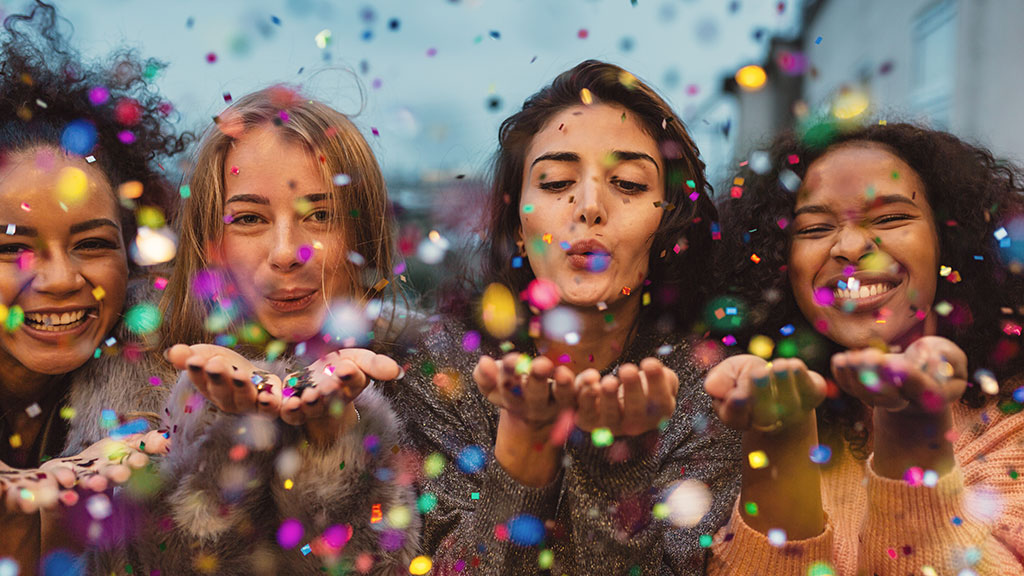
Celebration is a universal human experience. Across cultures, generations, and communities, people pause to recognize milestones, express gratitude, and strengthen connections through meaningful moments of celebration. Whether honoring personal achievements, cultural traditions, or shared experiences with loved ones, celebrating plays a powerful role in shaping emotional well-being and social harmony.
To celebrate is not simply to mark an occasion. It is to acknowledge value, affirm identity, and create lasting memories. In today’s fast-moving world, intentional celebration helps people reconnect with purpose, relationships, and joy.
This article explores what it means to celebrate, why celebration matters, how different types of celebrations shape our lives, and practical ways to make celebrations more meaningful.
What Does It Mean to Celebrate
Celebration is the act of recognizing something important with intention and enthusiasm. It can involve rituals, gatherings, reflection, or personal appreciation. At its core, celebration expresses acknowledgment and gratitude.
People celebrate:
- Achievements
- Milestones
- Cultural traditions
- Relationships
- Personal growth
- Seasonal transitions
- Community identity
Celebration does not always require large events or elaborate planning. Even quiet moments of recognition can hold deep meaning.
For example:
- A family dinner to honor a promotion
- Lighting candles during a cultural holiday
- Reflecting privately on a personal accomplishment
- Sharing laughter with friends after completing a project
Celebration transforms ordinary time into meaningful time.
Why Celebrating Matters in Everyday Life
Celebration supports emotional health, strengthens relationships, and builds a sense of belonging. It allows people to pause and recognize progress instead of constantly focusing on what remains unfinished.
Key benefits of celebrating include:
Emotional Renewal
Celebrating positive moments helps reduce stress and restore energy. It encourages optimism and reinforces motivation.
Stronger Relationships
Shared celebrations deepen bonds between family members, friends, coworkers, and communities.
Confidence Building
Recognizing achievements, even small ones, reinforces self-belief and encourages continued growth.
Cultural Continuity
Celebrations preserve traditions and connect generations through shared values and practices.
Meaningful Reflection
Celebration invites people to reflect on experiences and appreciate progress over time.
Without celebration, important moments often pass unnoticed.
Types of Celebrations That Shape Our Lives
Celebrations take many forms depending on purpose, culture, and personal preference. Each type contributes differently to identity and community connection.
Personal Celebrations
Personal celebrations recognize individual growth and achievement.
Examples include:
- Birthdays
- Graduations
- Promotions
- Personal milestones
- Health recovery anniversaries
- Creative accomplishments
These celebrations reinforce personal progress and inspire future goals.
Family Celebrations
Family celebrations strengthen emotional support systems and create shared memories.
Common family celebrations include:
- Anniversaries
- New home gatherings
- Birth announcements
- Holiday traditions
- Family reunions
These moments help families maintain continuity across generations.
Cultural Celebrations
Cultural celebrations express shared identity and heritage. They preserve traditions and strengthen community belonging.
Examples include:
- National holidays
- Religious observances
- Seasonal festivals
- Heritage celebrations
- Community ceremonies
Participating in cultural celebrations connects individuals to something larger than themselves.
Community Celebrations
Communities celebrate achievements, history, and unity through collective gatherings.
Examples include:
- Local festivals
- School events
- Sports victories
- Civic milestones
- Volunteer recognition events
Community celebrations create pride and cooperation.
Professional Celebrations
Workplace celebrations recognize effort, teamwork, and success.
Examples include:
- Project completion events
- Promotions
- Retirement ceremonies
- Company anniversaries
- Team achievements
These celebrations improve morale and strengthen collaboration.
The Psychology Behind Celebration
Celebration influences the brain in meaningful ways. Positive recognition activates emotional reward systems and strengthens memory formation.
When people celebrate:
- Dopamine supports motivation
- Oxytocin strengthens social bonding
- Positive emotions improve resilience
- Confidence increases
- Stress decreases
Celebration signals that effort matters. It reinforces the idea that progress deserves acknowledgment.
Even small celebrations can produce long-lasting psychological benefits.
How Celebrations Strengthen Relationships
Shared celebration builds trust and emotional connection. It creates moments where people feel seen, appreciated, and valued.
Celebrating together helps people:
- Communicate appreciation
- Share meaningful experiences
- Support each other’s progress
- Build traditions
- Strengthen loyalty
- Encourage belonging
Relationships grow stronger when achievements and milestones are acknowledged collectively.
Celebration transforms connection into memory.
Simple Ways to Celebrate Meaningfully
Celebration does not need to be expensive or complex. Meaningful celebration depends more on intention than scale.
Here are practical ways to celebrate everyday moments:
Acknowledge Small Wins
Recognizing small accomplishments builds momentum.
Examples include:
- Completing a difficult task
- Learning a new skill
- Maintaining a healthy habit
- Reaching a weekly goal
Small celebrations create lasting motivation.
Create Personal Rituals
Rituals bring consistency and emotional depth to celebration.
Examples:
- Writing reflections after achievements
- Sharing gratitude at dinner
- Taking photos during milestones
- Lighting candles during meaningful moments
Personal rituals strengthen memory and identity.
Celebrate With Others
Shared joy multiplies positive experiences.
Ways to celebrate with others include:
- Hosting a small gathering
- Sending appreciation messages
- Sharing accomplishments openly
- Preparing a special meal together
Connection amplifies celebration.
Practice Gratitude
Celebration becomes more meaningful when paired with gratitude.
Consider recognizing:
- Support from others
- Lessons learned
- Opportunities received
- Personal growth achieved
Gratitude deepens celebration.
Reflect on Progress
Celebration is not only about outcomes. It also honors effort.
Reflection questions may include:
- What did I learn
- What challenges did I overcome
- Who supported me
- What changed because of this experience
Reflection turns celebration into growth.
Celebrating Across Cultures and Traditions
Celebration exists in every society because it fulfills universal human needs. While traditions differ, the purpose remains similar.
Across cultures, celebration often includes:
- Food
- Music
- Gathering
- Storytelling
- Ritual symbols
- Shared movement or dance
These elements communicate belonging and continuity.
Celebration connects past generations with future ones.
It reminds people where they come from and where they are going.
The Role of Celebration in Personal Growth
Celebration encourages forward movement by recognizing progress already made. Without acknowledgment, effort can feel invisible.
Celebration supports growth by:
- Reinforcing confidence
- Encouraging persistence
- Marking transformation
- Supporting identity development
- Motivating continued improvement
Growth becomes visible when it is celebrated.
People who celebrate intentionally often maintain stronger motivation and resilience.
How to Create Lasting Celebration Traditions
Traditions make celebrations more meaningful over time. They provide structure and anticipation.
To create lasting traditions:
Start small and stay consistent.
Examples include:
- Annual reflection days
- Monthly family dinners
- Achievement journals
- Seasonal activities
- Shared storytelling nights
Traditions become emotional anchors across years and generations.
Consistency builds meaning.
Celebrating Without Comparison
Celebration should reflect personal meaning rather than external expectations. Social comparison often reduces the joy of celebration.
Healthy celebration focuses on:
- Authentic experiences
- Personal milestones
- Shared connection
- Gratitude
- Growth
Celebration becomes more powerful when it reflects genuine values.
The purpose is recognition, not competition.
Frequently Asked Questions About Celebrating
Why is celebration important for mental well-being
Celebration supports emotional balance by reinforcing positive experiences. It helps people recognize progress, reduce stress, and maintain motivation during challenging periods.
Can small achievements be worth celebrating
Yes. Small achievements build confidence and create momentum. Recognizing them strengthens consistency and encourages continued effort.
How can someone celebrate without spending money
Meaningful celebration does not require financial expense. Writing reflections, sharing gratitude, preparing a favorite meal, or spending time with loved ones can be powerful forms of celebration.
What makes a celebration meaningful rather than routine
Intentional recognition, emotional connection, and reflection make celebrations meaningful. Personal involvement matters more than scale or complexity.
How often should people celebrate personal milestones
There is no fixed schedule. Celebrating regularly helps maintain motivation and strengthens awareness of progress throughout life.
Can celebrating alone still be meaningful
Yes. Personal reflection, journaling, gratitude practices, and quiet recognition can create deeply meaningful celebrations even without group participation.
How can families create lasting celebration traditions
Families can begin with simple recurring activities such as shared meals, storytelling evenings, milestone recognition rituals, or annual reflection gatherings that strengthen connection over time
