
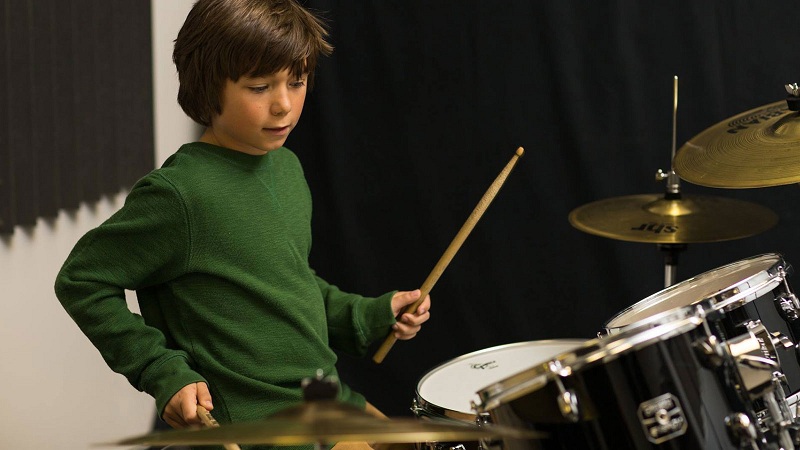
Many people would like to take drum classes but they are just not sure as to which one to go with. There are plenty of drum lessons Singapore out there but only about a few of them are known to offer for the best sort of results in this regard.
One should absolutely get a proper kind of support and guidance as far as learning drums is concerned and hence one should choose to go with the right kind of provider overall in this regard. Drum Tannery is the best drum classes for one and. It offers for drum trial classes which you can choose to go with.
Drumming is more than just hitting beats—it’s about control, timing, and expression. Whether you’re picking up sticks for the first time or refining existing skills, drum lessons offer a clear path to improvement. With the right guidance, learning drums becomes structured, enjoyable, and highly rewarding.
The Importance of Drum Lessons
Self-teaching can only take you so far. Drum lessons provide direction, accountability, and expert insight that help players progress faster. Instead of guessing what to practice, lessons give you a proven roadmap.
Some major advantages include:
-
Strong fundamentals that support long-term growth
-
Improved coordination between hands and feet
-
Accurate timing and groove development
-
Immediate correction of mistakes
Drum lessons keep learning efficient and prevent frustration caused by slow or uneven progress.
Drum Lessons for All Skill Levels
Beginner Drum Lessons
Beginner lessons focus on the essentials. Students learn how to sit correctly, hold drumsticks, and understand basic rhythms. Simple exercises help build coordination and confidence early on.
Starting slow is essential. Mastering the basics creates a solid foundation for more complex patterns later.
Intermediate and Advanced Lessons
As skills develop, drum lessons shift toward creativity and performance. These lessons often include advanced fills, dynamic control, speed training, and style-specific techniques. Players also learn how to lock in with other musicians.
Online vs In-Person Drum Lessons
Both formats offer unique benefits.
In-person drum lessons provide hands-on guidance and real-time feedback. They’re ideal for students who learn best through direct interaction.
Online drum lessons offer flexibility and convenience. Many students enjoy learning at their own pace while accessing recorded lessons, practice tools, and expert instruction from anywhere.
Choosing the right format depends on your schedule, learning style, and goals.
What Drum Lessons Typically Cover
A complete drum lesson program usually includes:
-
Drum set setup and tuning basics
-
Stick control and hand technique
-
Timing exercises and metronome practice
-
Drum notation and rhythm reading
-
Grooves, fills, and transitions
-
Playing across multiple music genres
Lessons often include structured practice routines so students know exactly how to improve between sessions.
How Often Should You Take Drum Lessons?
Consistency matters more than length. One or two drum lessons per week paired with short daily practice sessions can deliver impressive results. Even 15–20 minutes a day helps reinforce muscle memory and timing.
Regular practice turns effort into progress.
Finding the Right Drum Teacher
The best drum lessons come from instructors who understand how to teach—not just how to play. Look for someone who:
-
Explains concepts clearly
-
Adjusts lessons to your goals
-
Encourages steady improvement
-
Makes learning engaging and motivating
A supportive teacher can make all the difference in your drumming journey.
Conclusion
Drum lessons are one of the most effective ways to develop rhythm, coordination, and musical confidence. They provide structure, motivation, and expert guidance that help students of all levels succeed. Whether your goal is casual enjoyment or serious performance, drum lessons can help you reach it—one beat at a time.
