
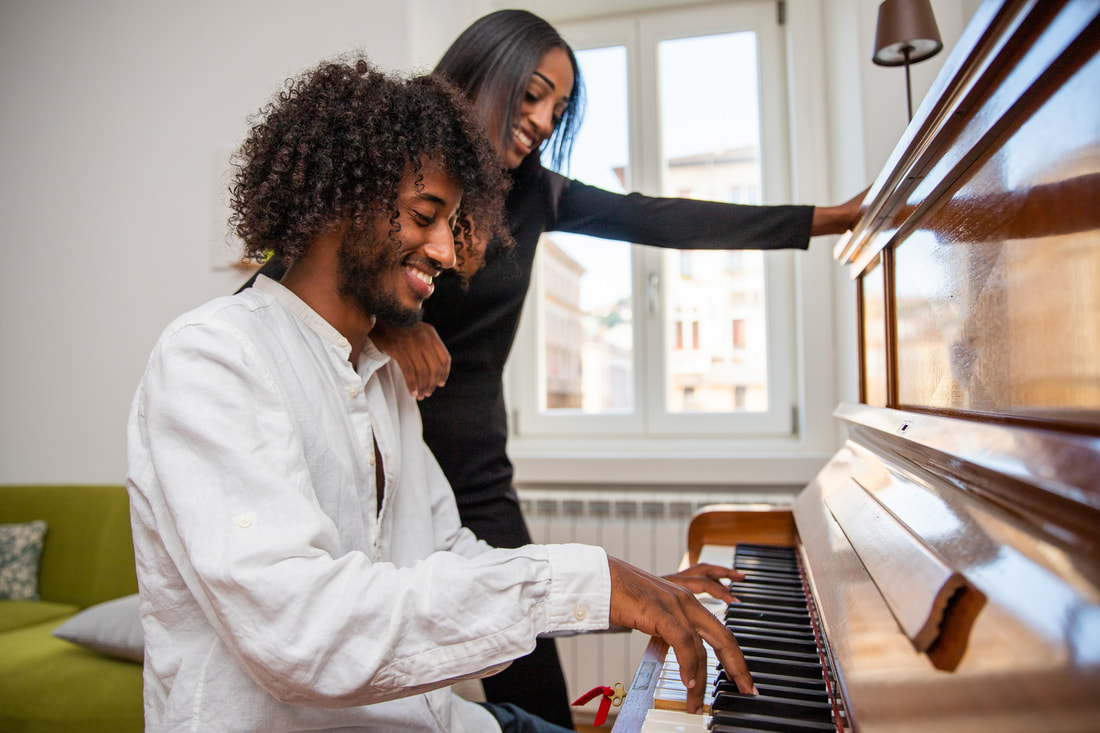
Finding piano classes near me was the first step I took when deciding to embark on a journey into the world of music—a world where black and white keys become portals to expression, where fingertips dance across ivory and ebony to conjure ghosts of Mozart, Chopin, and Thelonious Monk.
Why Local Piano Instruction Matters
The piano stands as a monument to human ingenuity, a perfect marriage of mathematics and art. When you study locally, you’re not just learning an instrument—you’re joining a community, becoming part of a tradition that breathes with the rhythm of your neighbourhood. The teacher across town carries with them not just technical knowledge, but the lineage of all who taught them, a heritage of hands on keys that stretches back centuries.
Unlike disembodied online tutorials, local instructors can:
- Watch your hands form shapes across the keyboard, correcting the subtle arch of your wrist
- Hear the nuanced touch of your playing, how you press into the depths of each note
- Respond to your particular learning style, accelerating when you soar and pausing when you stumble
- Connect you with local performance opportunities that transform private practice into public expression
“The relationship between student and teacher is sacred—a dialogue spanning generations of musical knowledge,” notes one prominent Singapore piano educator. “We don’t just teach notes; we transmit passion.”
Finding Your Perfect Musical Match
Choosing a piano teacher is akin to selecting a guide for a journey through unfamiliar terrain. The right match transforms learning from mere practice into revelation.
Consider these essential qualities:
- Teaching philosophy that resonates with your goals
- Experience with students of your age and skill level
- Performance background that inspires confidence
- Flexibility to adjust teaching methods to your learning style
- Location convenient enough to eliminate excuses for missed practice
“When selecting an instructor, observe how they demonstrate. Do they play with the same passion they claim to teach? This tells you everything,” advises a veteran piano instructor from a Singapore conservatory.
The Different Flavours of Piano Education
Piano education is not a monolith but a spectrum of approaches, each with their own philosophy and methodology.
Classical Foundation
The traditional approach begins with proper posture, hand position, and reading music. Here, Bach’s inventions become finger exercises, Czerny’s studies train independence between hands, and Chopin’s preludes teach the poetry of touch. The classical path demands discipline but builds a foundation solid as cathedral stone.
Jazz and Improvisation
For those drawn to the unpredictable, jazz piano classes emphasize chord theory, ear training, and the courage to improvise. You’ll learn to hear a melody and spontaneously dress it in harmonies, to feel the undercurrent of rhythm beneath your left hand while your right explores territories unknown.
Contemporary and Pop Styles
Modern approaches often begin with popular songs, teaching chord patterns and accompaniment styles that quickly enable playing recognisable music. These classes emphasise practical skills and often use lead sheets rather than traditional notation.
The Singapore Piano Scene: A Unique Musical Ecosystem
Singapore’s piano culture stands at a fascinating crossroads of Eastern discipline and Western repertoire. The island nation boasts one of the highest per-capita piano ownership rates globally, creating a community where excellence is expected and nurtured.
“In Singapore, we’ve created a hybrid approach drawing from the rigour of Chinese teaching methods, the expressiveness of European traditions, and the innovation of American jazz pedagogy,” explains a prominent local piano pedagogue.
The competition can be fierce, but so is the support—piano festivals, recitals, and community performances abound for students at every level.
Overcoming Common Beginners’ Hurdles
Every pianist confronts moments of frustration—when fingers refuse to cooperate, when reading bass and treble clefs simultaneously feels like deciphering hieroglyphics, when rhythms become tangled labyrinths of complexity. These challenges aren’t signs of inadequacy but rites of passage.
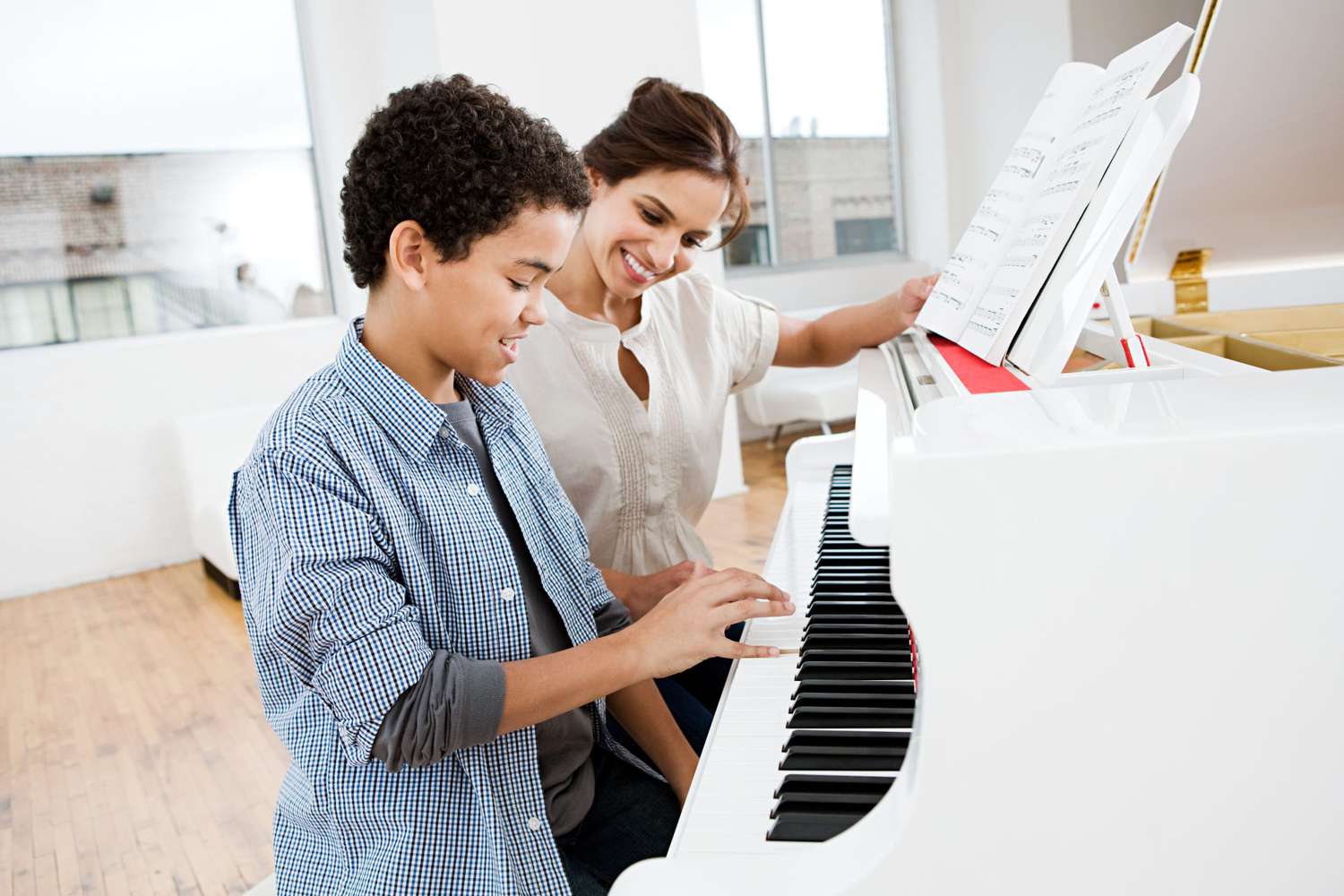
Local instructors become invaluable in these moments of struggle. They’ve witnessed hundreds of students navigate the same difficulties and possess an arsenal of strategies tailored to diverse learning styles. They recognize when to push through resistance and when to approach a problem from an entirely different angle.
“The most beautiful thing about teaching piano isn’t watching prodigies excel—it’s witnessing the moment when an average student breaks through a barrier they thought insurmountable,” remarks a well-regarded Singapore piano teacher. “That transformation—from ‘I can’t’ to ‘I did’—this is the real music we create together.”
Making the Most of Your Piano Learning Journey
Once enrolled, your progress depends not just on your teacher but on how you approach practice:
- Set specific goals for each practice session
- Record yourself and listen critically
- Practice slowly before attempting full speed
- Focus on troublesome passages rather than playing pieces from beginning to end
- Connect emotionally with the music rather than merely executing notes
“The difference between a good student and a great one isn’t talent—it’s attention,” observes a respected piano teacher from a Singapore music academy. “Mindful practice for 30 minutes accomplishes more than mindless repetition for hours.”
Taking the First Step
The journey of a thousand songs begins with a single note. The greatest pianists of our time all began as beginners, fingers awkwardly finding their place on the keyboard. What separates them from those who abandoned the path was not just talent, but persistence and proper guidance.
The piano waits for you—a instrument of infinite possibility, a vehicle for expressing what words cannot. All that remains is to take that first step and reach out to piano classes near me.
